Quick Summary: Slow drains in more than one fixture, gurgling toilets, sewage smells, and soggy patches in the yard all signal a sewer line problem. One slow drain is usually just a clog. Multiple fixtures acting up at once points to the main line.
Sewer line trouble rarely shows up as one big event. It creeps in. A toilet gurgles when the washing machine drains. A slow bathtub used to empty fine. We hear about these little things for weeks before someone calls. By then the problem has usually gotten bigger underground.
What should get your attention? If just one sink is slow, that's probably a local clog. But if your toilet bubbles when you run the dishwasher, or multiple drains back up around the same time, that's your main line talking.
Older homes around West Palm Beach with cast iron or clay pipe are more prone to this. Those materials crack and shift with the sandy soil over time. We see it every week. Someone waits out the slow drain for months, then it turns into a Saturday night backup. Don't wait on that.
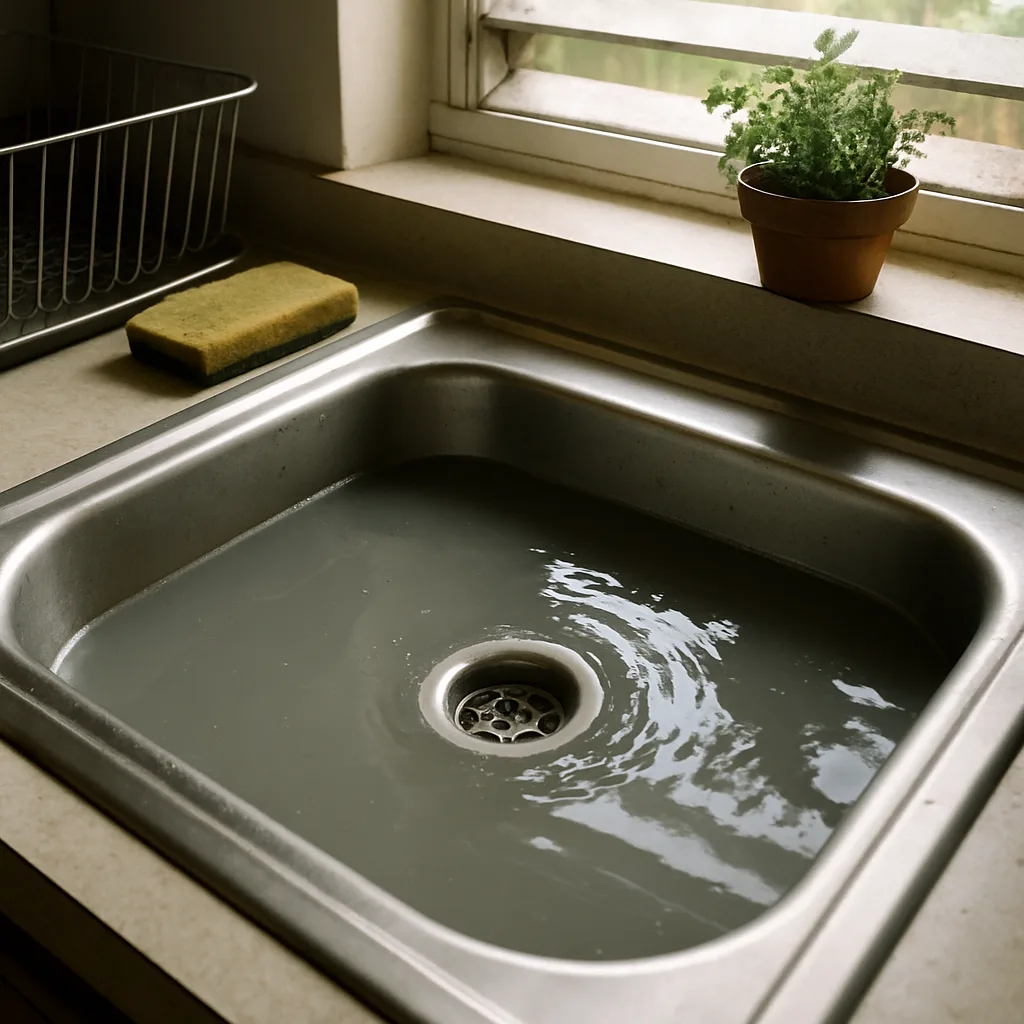
Most slow drains are not a sewer line problem. One sink backing up, one toilet that gurgles once in a while - that's usually a local clog. Hair, grease, soap scum. Normal stuff. A plunger or a simple drain cleaning often clears it up.
So when do we start thinking sewer line? When more than one fixture acts up at the same time. If your toilet backs up and your shower drain gurgles at the same moment, those two are probably connected to the same line downstream. That's a different animal.
We get calls from folks who ran a bottle of drain cleaner through the kitchen sink. They felt good for two days, then watched it back up again. That repeat backup is the tell. A single clog doesn't come back on its own within a week.
If you're only seeing that first pattern, save yourself the worry. That's not sewer line repair territory yet. But if it's the second pattern, don't wait. A sewer camera inspection will tell us exactly what's going on before anything gets worse. Learn more about our Plumber Service.
West Palm Beach sits on sandy, porous soil with a water table that creeps up close to the surface most of the year. That combination is not kind to sewer lines. Sandy soil shifts more than clay or rocky ground. Pipes settle unevenly, joints separate, and low spots form where waste sits instead of flowing.
Add a high water table and you get another problem: groundwater pushing against pipe walls from the outside. Old or cracked pipe lets that groundwater seep in. This overloads a system never built to handle extra water. We see this often in older properties near canals and low-lying yards. The ground stays soft and wet even weeks after a storm.
Summer rainy season makes it worse. Heavy, fast rain saturates the ground quickly. Saturated soil puts more pressure on buried pipe than dry soil ever will. The CDC's guidelines on septic and wastewater systems confirm this is a well-documented risk during heavy rain and flooding, not just a local quirk. A line that's been slowly failing for years can go from a minor leak to a real backup in one bad storm season.
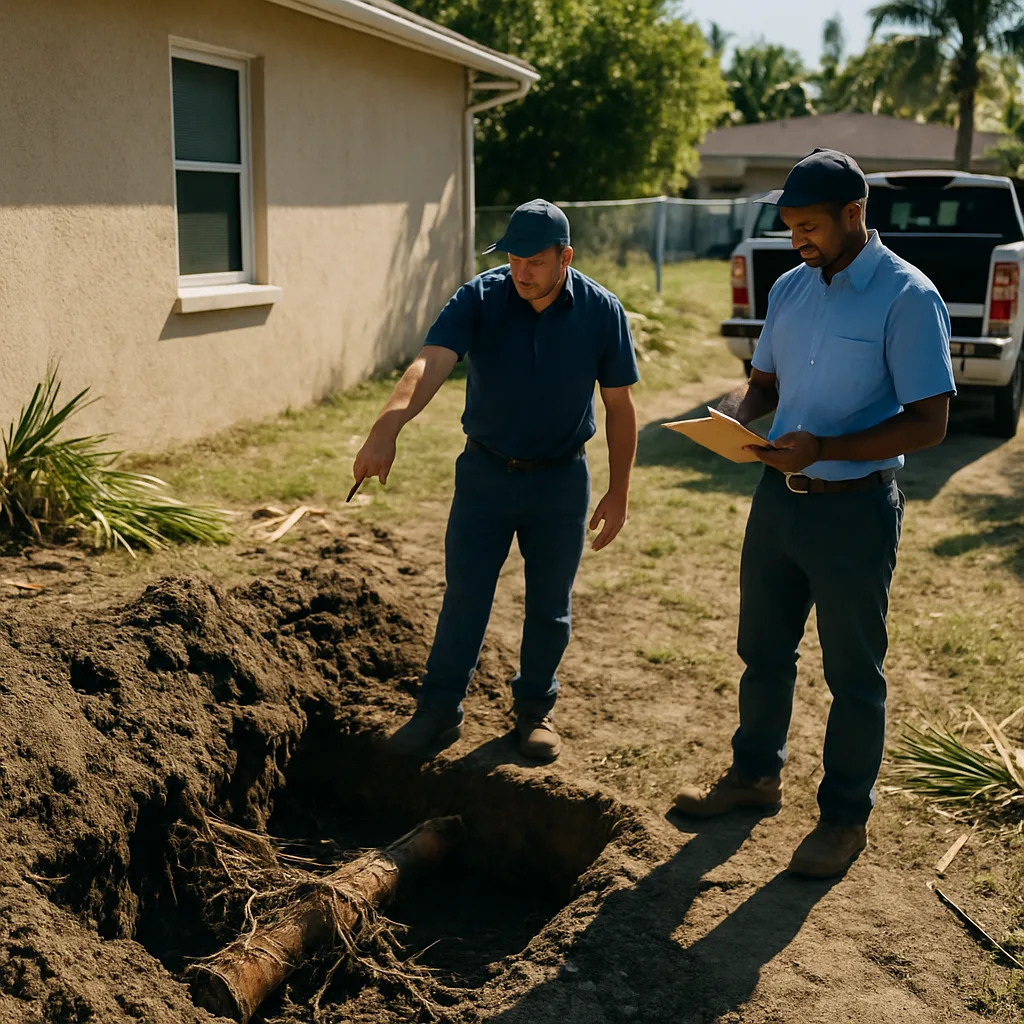
Root intrusion is another local headache. Mature trees send roots toward any moisture source. A sewer line with even a hairline crack is an invitation. Once roots get in, they grow. The crack gets worse every year until the line collapses or backs up.
None of this means your line is doomed. It just means the ground here works against old pipe faster than it would somewhere with firmer, drier soil. That's exactly why a camera inspection matters so much before any repair decision. We need to see what the soil and water have done to your line, not guess.
Need help with Sewer line repair? Call Now For A Free Estimate. Pulles Plumbing is ready to help.
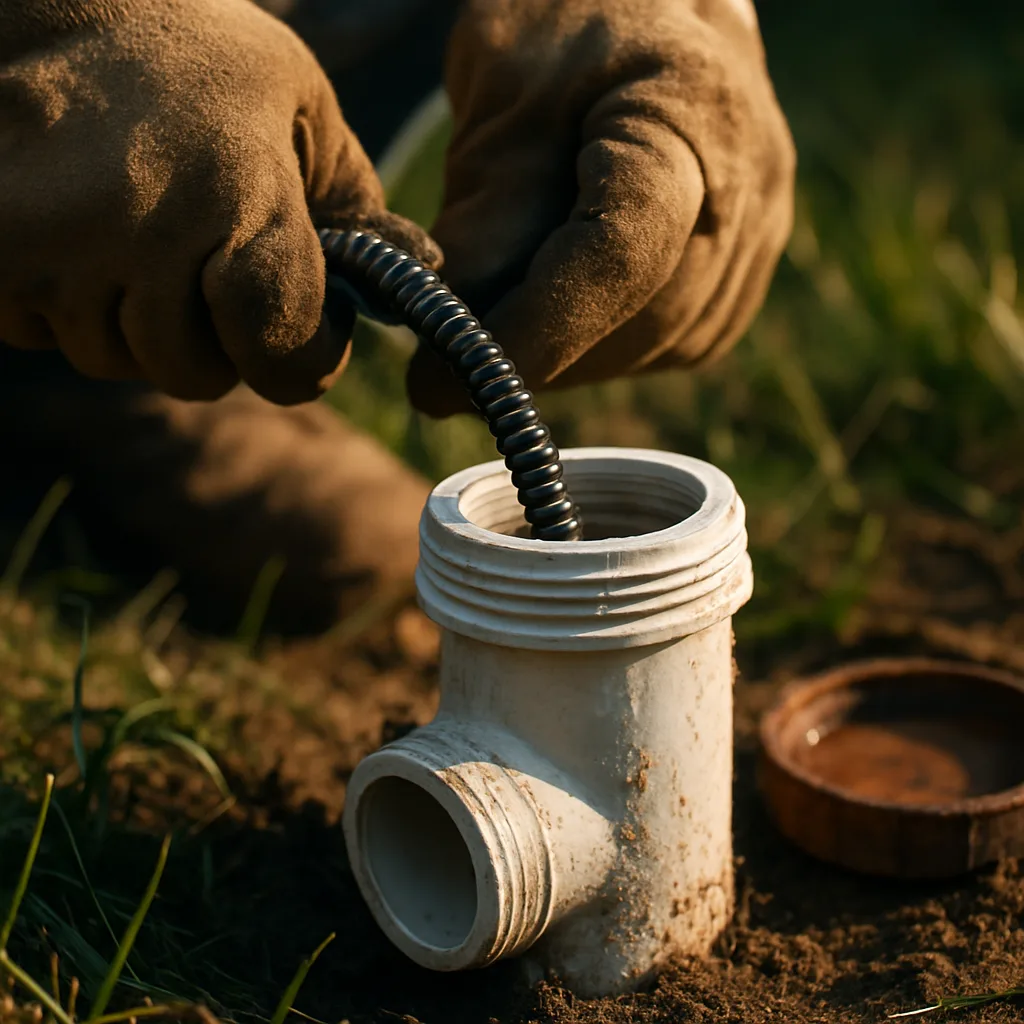
Here's something we tell every homeowner who calls us about a backup. We don't guess. We look. A sewer camera inspection means running a waterproof camera on a flexible cable down through your cleanout or main line. We watch a live feed on a monitor as it travels the pipe.
Older homes around West Palm Beach still have cast iron or clay sewer lines. Those materials behave differently underground. Cast iron rusts and scales from the inside, narrowing the pipe until it's basically a straw. Clay cracks at the joints when tree roots push through, looking for moisture. A camera shows us exactly which one we're dealing with, and where.
The camera tells the whole story in the first twenty feet.
We're checking for specific things once that lens is rolling.
Once we've seen it, we can tell you what's going on and what it'll take to fix. A small root intrusion in one spot might just need clearing and a spot repair. A pipe that's bellied along a long stretch, or crushed under a driveway, is a different conversation entirely. The camera separates a real diagnosis from an educated guess. It's the reason we can give you a straight answer instead of throwing parts at the problem and hoping.
Nobody likes an open-ended number. So let's talk about what moves the price on a sewer line repair. It's not random.
The biggest factor is access. A pipe that's easy to reach costs less to fix than one running under a driveway, a patio slab, or mature landscaping. Depth matters too. Older Palm Beach County homes sometimes have lines buried deeper than newer construction. That changes the labor involved.
Length of the damaged section plays a role. A small crack near the cleanout is a different job than a collapsed run stretching under the yard. We won't know which one you've got until a camera inspection shows us the pipe from the inside.
Here's what to ask any company you call: do they inspect before they quote? A real number comes after a camera's been down the line, not before. Anyone quoting a sewer repair sight unseen is guessing. You're the one who pays for that guess later.
We give you a clear, up-front price after we've seen what's going on underground. There are no hidden fees tacked on halfway through the job.
We are a local company that understands the specific needs of septic systems in Loxahatchee, FL.
We believe in transparency. You’ll receive a clear and honest septic tank pumping cost before we begin any work, with no hidden fees.
Your satisfaction is our priority. We strive to provide a hassle-free experience and ensure your septic system is in optimal condition.
If jetting or snaking clears the line but it backs up again within weeks, that's usually a sign of a structural problem, not just buildup. Cracks, bellied sections, and root intrusion won't stay fixed with cleaning alone. A camera inspection tells us which one we're dealing with before we recommend anything.
Tree roots are the most common culprit, especially in older neighborhoods with mature landscaping and original clay or cast-iron pipe. Our high water table and sandy soil also shift and settle over time, which can crack joints or create low spots where the line sags. Age plus soil conditions here just accelerates the wear.
Not always. Many repairs only need a section of pipe addressed, not a full trench across the property. We use a camera inspection first to pinpoint the exact problem spot, so we're not guessing where to dig. That keeps the job smaller, faster, and easier on your landscaping.
It depends on how much of the line is damaged, how deep the pipe sits, and how hard it is to access. A single cracked joint costs far less than a section with widespread root intrusion or a full collapse. We give you a clear, written estimate after the camera inspection, before any digging starts.
Coverage varies a lot by policy and by what caused the damage. Some plans cover sudden pipe collapse but not gradual root intrusion or age-related wear. We can give you documentation and photos from our inspection to support a claim, but you'll want to confirm coverage with your insurance provider directly.
A single-spot repair often wraps up in a day. Larger jobs, like multiple damaged sections or a line running deep under a driveway, can take longer. We'll walk you through the expected timeline after the inspection, so you know what to plan around before we start.
Contact us now for a Free Estimate on Plumbing Service in WPB.