<- Go back to Septic System Service

Septic System Inspection in West Palm Beach: What to Expect Before You Book

Quick Summary: Slow drains, gurgling pipes, soggy grass, and bad smells near the yard are common signs a septic system needs an inspection. West Palm Beach's high water table and sandy soil can make these symptoms show up faster. It pays to act early.

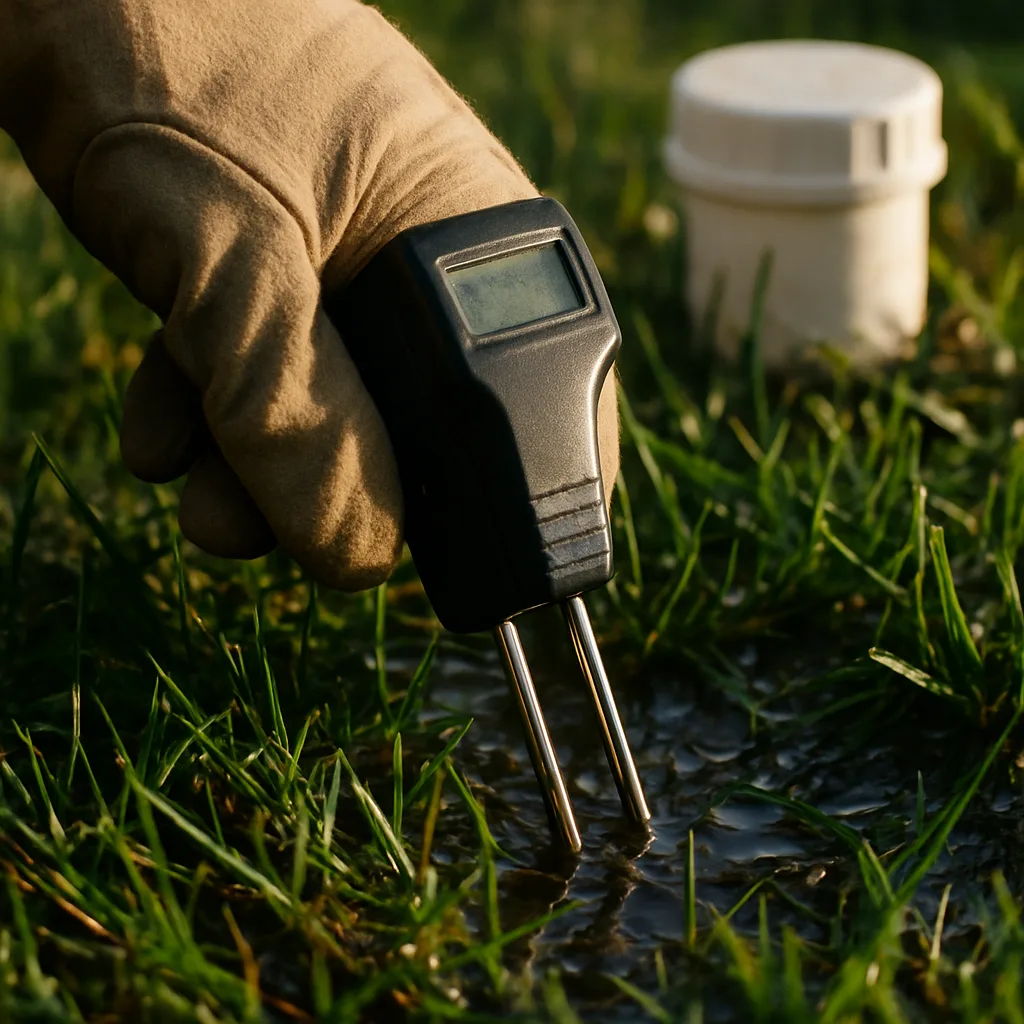
Moisture meter testing soggy drain field grass, septic inspection sign by Pulles Plumbing Septic LLC

Signs Your Septic System Needs an Inspection

Maybe your shower drains slower than it used to. Maybe there's a smell out by the side yard that wasn't there last month. These little things matter more than people think.

We get calls from folks who say the same thing, "it's probably nothing, but." Most of the time, it's not nothing. Here's what usually tips us off during a septic system inspection.

  • Drains that gurgle or empty slower, especially after heavy rain
  • Standing water or soggy patches over the drain field even when it hasn't rained for days
  • A sewage smell near the tank lid or drain field area
  • Grass that's greener or growing faster right over the tank or drain field
  • Toilets that won't flush right or back up more than once in a short time
  • Gurgling sounds in the pipes when you run the washing machine or dishwasher

West Palm Beach sits on sandy soil with a water table that climbs fast during rainy season. That combination means drain fields here can get saturated quicker than systems inland. A tank that's borderline full will show symptoms sooner. If you're seeing more than one of these signs, it's usually not a coincidence.

Not sure if what you're seeing is serious? That's a common question. It's exactly what an inspection is for. We check the tank, the baffles, the drain field, and give you a straight answer, not a guess.
Septic Inspections for Home Sales and Closings

Selling a house on septic in West Palm Beach? Most of the time, the buyer's lender or agent will ask for a septic system inspection before closing. It's protection for everyone at the table. A tank that's never been checked is a gamble. Nobody wants to find that out after the keys change hands.

Homeowner reviewing septic inspection report during home sale closing
We do these inspections all the time for closings around Palm Beach County. The process is simple. We locate the tank, pump it if it's due, check the baffles, look at the drain field for wet spots or sinking soil, and put it all in writing. That written report is what your title company or agent needs, not a verbal thumbs-up.

  • Tank condition and structural soundness (cracks, corrosion, lid integrity)
  • Baffle condition. A failed baffle lets solids escape into the drain field.
  • Liquid level compared to the outlet pipe. This tells us how the field is draining.
  • Signs of drain field failure, like standing water or unusually green grass
  • A written report with findings you can hand straight to the buyer or lender

Timing matters here. If you wait until a week before closing, you're stuck scrambling. We'd rather you call early so there's time to fix anything small before it becomes a deal-breaker.

This inspection is just one piece of the full range of septic and plumbing work we handle for homeowners across the county. You can see everything we do, from pump-outs to drain field repair, on our main Septic System Service page.

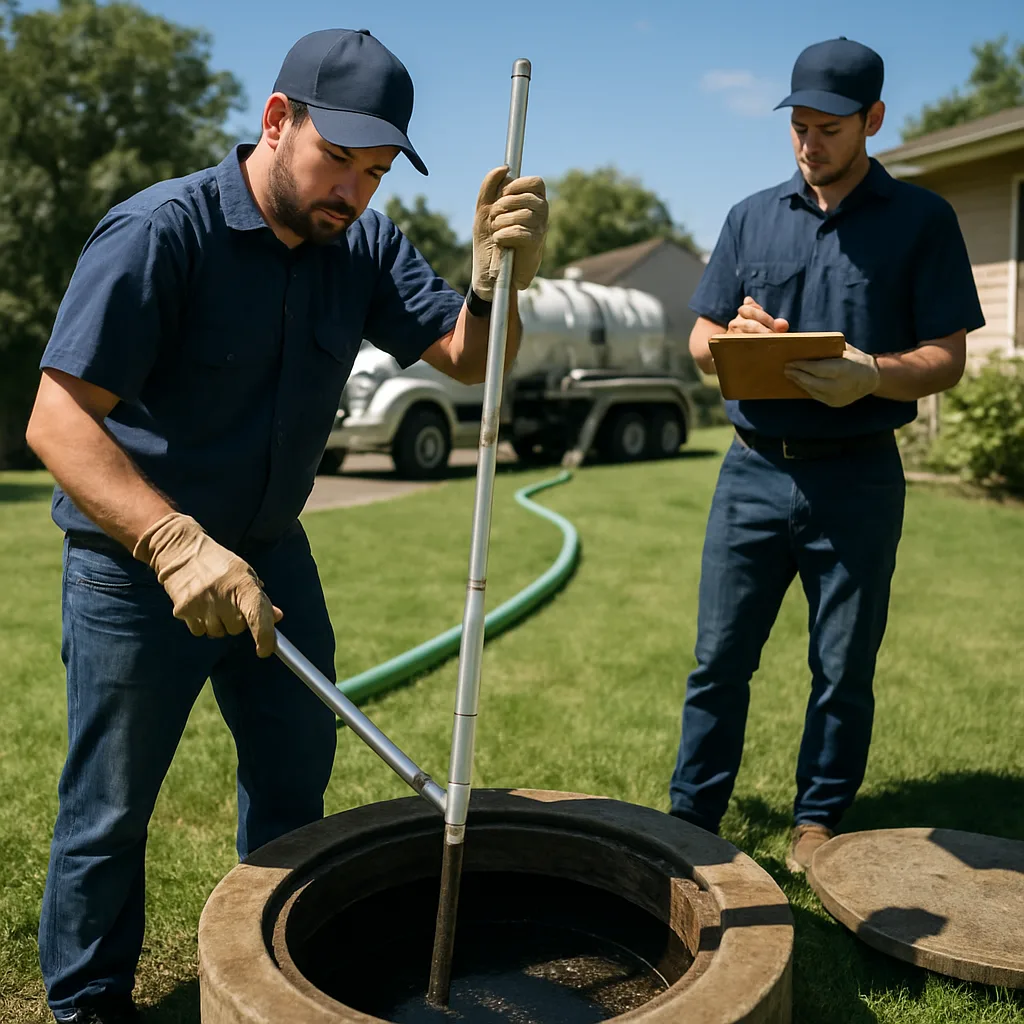
Technicians measuring sludge layers during full septic inspection process by Pulles Plumbing Septic LLC

What a Full Inspection Covers, Step by Step

What happens when we come out? It's not just popping the lid and taking a peek. A real septic system inspection means getting into the tank and the drain field. We check the parts you can't see from the yard.

  • We locate and uncover the tank lids. On older Loxahatchee-area homes and many West Palm Beach properties, these are often buried under years of sod and dirt.
  • We measure the scum layer on top and the sludge layer on the bottom. This tells us how much solid waste has built up since the last pump-out.
  • We check the baffles, inlet and outlet, for cracks or blockage. A bad baffle lets solids slip straight into the drain field. That's expensive to fix later.
  • We look at the tank walls and lid for cracks, corrosion, or structural wear, especially on tanks over 20 years old.
  • We walk the drain field checking for standing water, soggy patches, or grass that's greener than everywhere else. That kind of pattern means the field's struggling.
  • We give you a written report on what we found. Plain language, no scare tactics, just what's going on underground.

We see this every week. Folks think an inspection is just lifting a lid and eyeballing it. It's not. Skip the drain field check and you'll miss the exact problem that ends up costing the most to repair.

Need help with Septic system inspection? Call Now For A Free Estimate. Pulles Plumbing is ready to help.

Septic Pumping vs. a Full Inspection

Here's something we get asked all the time. A customer calls for a pump-out. We show up, and they figure that's the whole checkup. It's not. It's one of the biggest mix-ups in this business.

Pumping empties the tank. It's maintenance, removing solids and sludge before they build up too high and start flowing toward your drain field. A septic system inspection is a different job. We check baffles, measure scum and sludge layers, look at the tank walls for cracks, and walk the drain field for standing water or soggy patches.

Most of the time, a homeowner in West Palm Beach selling a house needs the inspection, not just a pump-out. Lenders and buyers want a written report showing the system works, not just that the tank got emptied.

  • Pumping removes waste; inspection evaluates the whole system's condition
  • Inspection includes checking the drain field, not just the tank
  • A pump-out alone won't catch a cracked baffle or a failing lateral line
  • Real estate transactions almost always call for a full inspection with documentation

Which one do you need? If your system's overdue and nothing seems wrong, pumping might be enough for now. But if you're buying, selling, or something feels off, you want the full inspection. Our team walks you through both so you're not paying for more than the situation calls for.

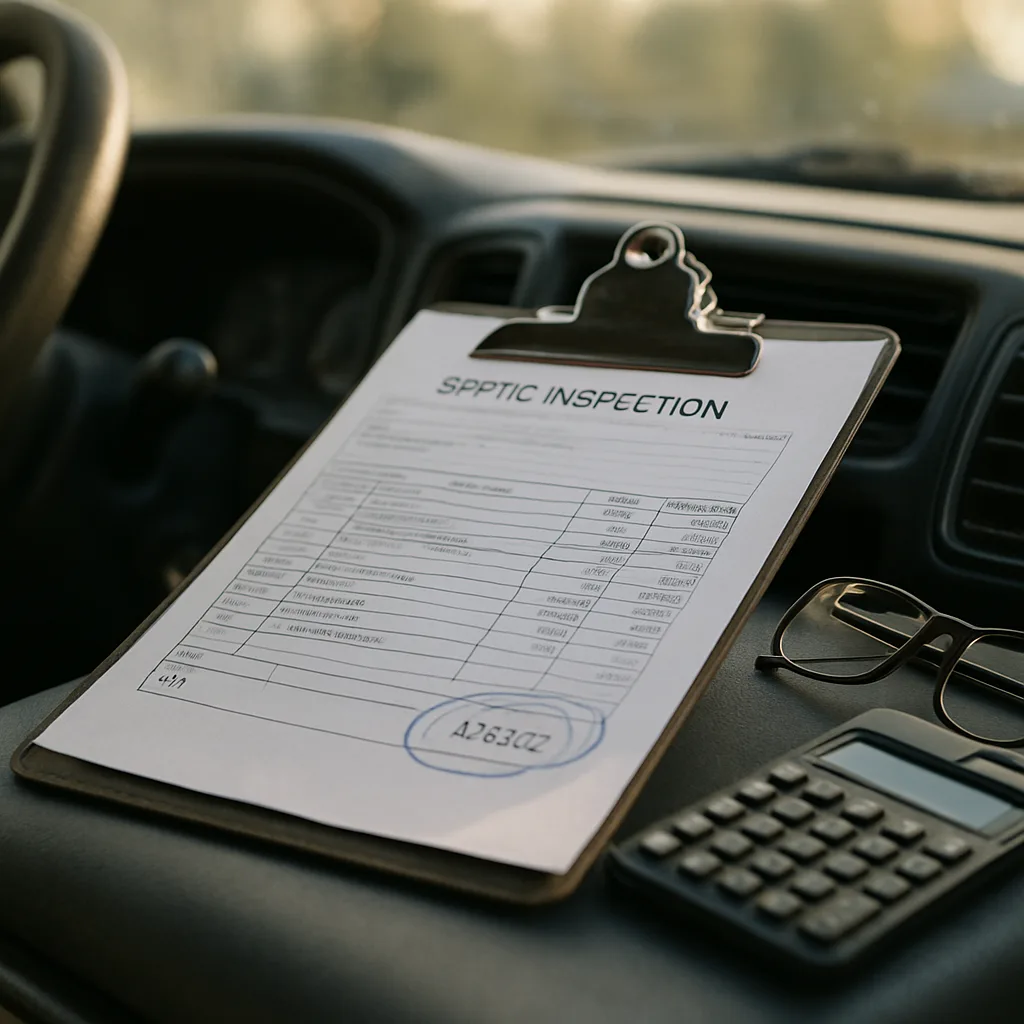
Itemized septic inspection invoice on clipboard inside service truck by Pulles Plumbing Septic LLC

How Septic Inspection Pricing Works

Every septic system inspection is priced a little different. That's not a runaround. It's because every property is different. A small home in a neighborhood with an older tank isn't the same job as a bigger property out toward the western edge of West Palm Beach with a newer aerobic system and multiple drain lines. We'll always give you a clear, up-front number before we start. No surprises added later.

What moves the price? Tank access is a big one. If the lids are buried under sod or landscaping, that's extra digging time. Tanks with risers already installed go faster and cost less to open.

  • Tank size and system type, standard gravity systems versus aerobic treatment units
  • How easy the lids are to reach, buried versus above grade with risers
  • Whether it's a routine check or a full real estate transaction inspection with a written report
  • Number of components being checked, tank, drain field, distribution box, pump if there is one
  • Sludge and scum levels, which affect how much time we spend measuring and documenting

Real estate deals usually need the most detailed inspection. A lender or buyer wants documentation, not just a verbal thumbs-up. A routine maintenance check runs quicker and simpler.

Here's the thing to ask before you hire anyone for this. Ask what's included. Does it cover the drain field? Does it include a written report? Is digging up the lids part of the quote or added on after? We give clear, fair, up-front pricing and put it in writing. No hidden fees tacked on once the truck's already in your driveway.

Why Choose Us

Local Expertise

We are a local company that understands the specific needs of septic systems in Loxahatchee, FL.

Upfront Pricing

We believe in transparency. You’ll receive a clear and honest septic tank pumping cost before we begin any work, with no hidden fees.

Customer Satisfaction

Your satisfaction is our priority. We strive to provide a hassle-free experience and ensure your septic system is in optimal condition.

Common questions about Septic Tank Cleaning

Slow or gurgling drains, bad smells near the yard, and soggy patches over the drain field are the main warning signs. In West Palm Beach's sandy soil and high water table, these signs often show up fast once a tank gets close to full. If you notice more than one sign at the same time, it's worth having someone check your tank rather than waiting for a backup into your tub or toilet.

Pumping only removes the liquid and sludge, while cleaning also scrubs the tank walls to break loose the scum that clings to the sides and baffles. We see plenty of tanks pumped several times but never cleaned, with a scum crust an inch thick on the walls. That leftover buildup can travel to your drain field and clog the soil around it, which is a much bigger repair than a routine cleaning.

Most homes need septic tank pumping every one to three years, depending on tank size and household size. If your tank was pumped in the last year and you're not seeing slow drains or smells, you likely don't need service yet. West Palm Beach's sandy soil and heavy summer rain can make a healthy system seem waterlogged for a day or two, so a temporary smell after a storm isn't always a red flag.

We find and uncover the tank lids, check liquid and solid levels, then pump out the sludge and scum with a vacuum hose. After pumping, we scrub the interior walls, check the baffles for cracks or wear, and give you a written report of what we found. Most standard household visits take under an hour, though buried lids or years-old buildup can add extra time.

Standing water from heavy rain can carry odor without meaning your septic system has failed. West Palm Beach's high water table and sandy soil, especially near areas like Grassy Waters Preserve, can leave a healthy drain field looking waterlogged for a day or two after a storm. If the smell clears up once the ground dries, your tank is probably working fine.

Ask whether the price includes a pressure wash of the tank interior or if it's a pump-only service. That one question tells you a lot about the quality of work you're getting. A company that only pumps leaves scum on the walls, which can break free and clog your drain field. Always ask for a written report of what was found and done during your visit.

Fast & Affordable Septic System Inspections in West Palm Beach

Contact us now for a Free Estimate on Plumbing Service in WPB.

© Copyright Pulles Plumbing Septic Inc - All Rights Reserved
State Of Florida Dept of Business & Prof. Reg. Lic# CFC056693
9086 Apache Blvd, West Palm Beach, FL. 33412