<- Go back to Septic System Service

Septic Tank Cleaning in West Palm Beach That Goes Beyond a Simple Pump-Out

Quick Summary: Slow drains, gurgling pipes, bad smells near the yard, and soggy patches over the drain field are the main warning signs your tank is full. In West Palm Beach's sandy, high water table soil, these signs can show up quickly once a tank gets close to capacity.

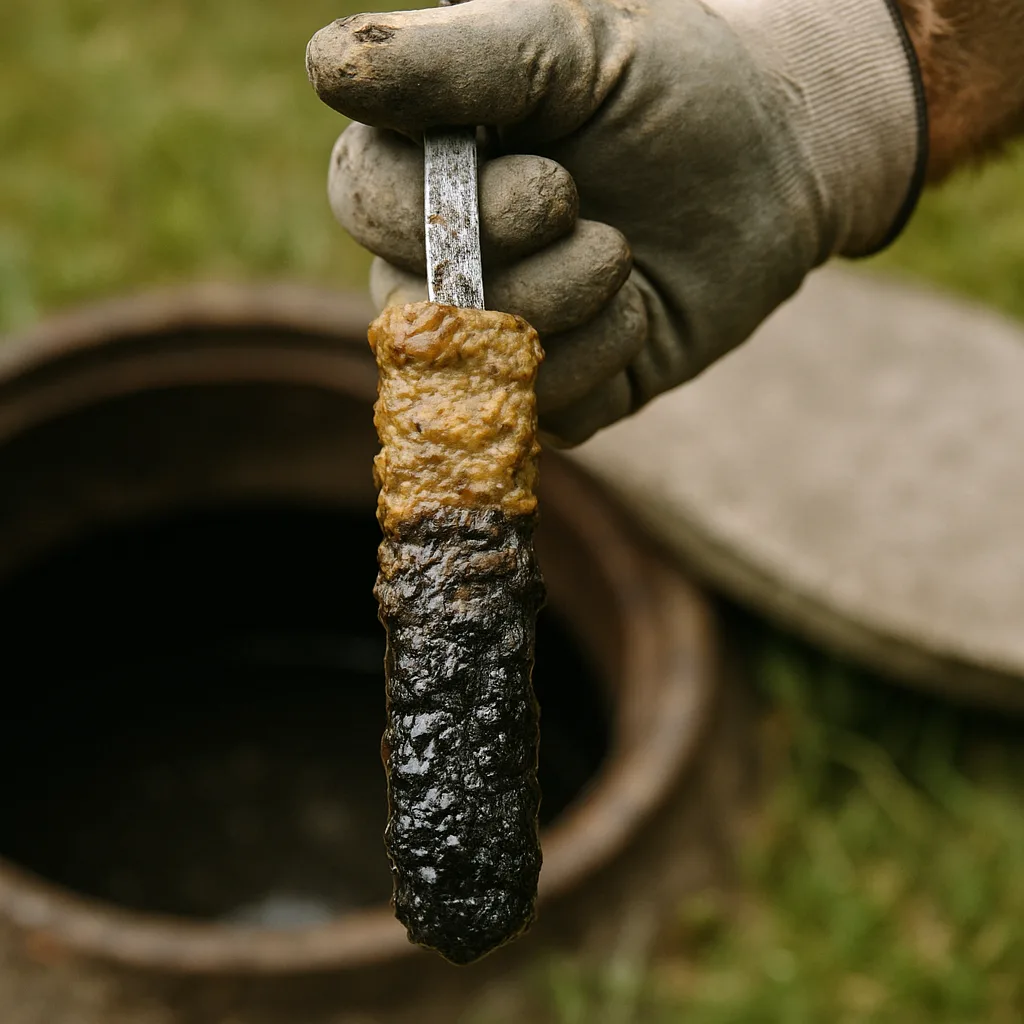
Sludge-coated dipstick shows septic tank fullness level in West Palm Beach cleaning by Pulles Plumbing Septic LLC

Signs Your Septic Tank Needs Cleaning

How do you know it's time? Most people don't think about their septic tank until it starts talking back. A toilet that gurgles after you flush, or a shower that drains slowly, is usually your tank telling you it's full.

We hear this every week. Someone calls because their sink is backing up. Often, the tank is overdue for a pump-out. Solids build up, and the system can't keep up.

  • Slow or gurgling drains in more than one fixture at once
  • A sewage smell near the tank lid or drain field, especially after rain
  • Standing water or soggy soil over the drain field area
  • Grass that's greener or growing faster right over the tank or drain lines
  • Sewage backing up into a tub, toilet, or floor drain

West Palm Beach yards are unique. Sandy, porous soil and a high water table mean a struggling drain field shows symptoms faster. When the ground is already saturated, wastewater has nowhere to go if your tank isn't working.

Not sure if what you're seeing is a real problem? That's common, and it's an easy thing to check. If you have more than one of these signs at once, don't wait for it to get worse.
Cleaning Versus Pumping: Why the Difference Matters

Many folks in West Palm Beach don't know this, but pumping and cleaning are not the same job. Learn more about our Septic System Service.

Pumping just means we suck out the liquid and sludge from the bottom of your tank. Cleaning goes further. We scrub the inside walls of the tank, breaking loose the scum layer that sticks to the sides and baffles. That scum builds up slowly. One day, it's thick enough to clog your outlet baffle and back everything up into your yard.

We often see tanks that were pumped a few times but never cleaned. The crust on the walls is an inch thick.

This matters for your drain field. Solids and grease that don't get scrubbed off the tank walls break free and travel downstream. Once that gunk reaches your drain field lines, it clogs the soil around them. That's a big repair job, not a fast fix.

When you compare quotes, ask if a pressure wash of the tank interior is included, or if it's pump-only. That one question tells you a lot about who you're hiring. For a full breakdown of everything we handle on a service call, take a look at our main service page.

A tank that's just pumped looks empty and feels done. But empty isn't clean. That gap is where most drain field failures start.

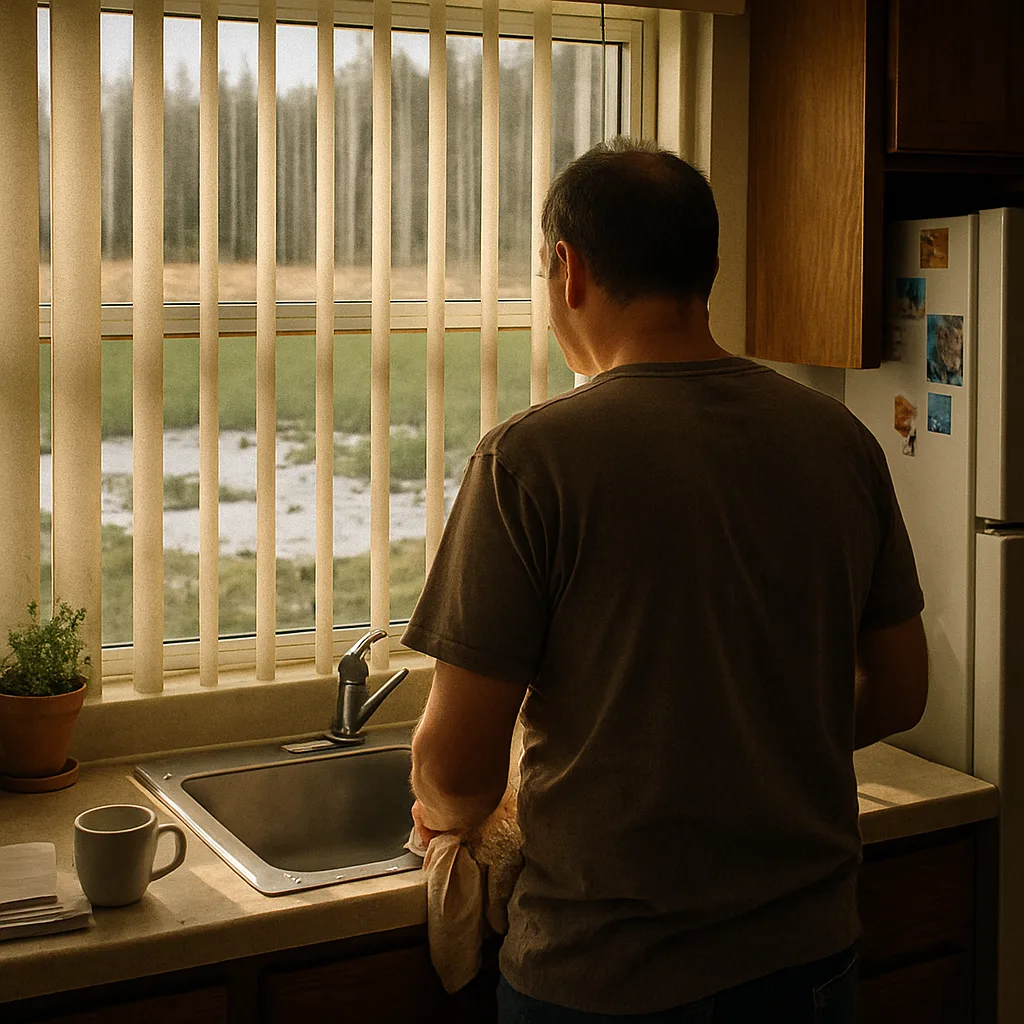
Homeowner notices soggy yard patch signaling septic issue in West Palm Beach by Pulles Plumbing Septic LLC

When You Don't Need Septic Tank Cleaning Yet

Not every septic worry means you need a truck in your driveway this week. We can talk about when you can wait.

If your tank was pumped within the last year and you're not seeing slow drains, gurgling, or soggy spots, you're probably fine. A single slow drain in one bathroom is often just a clogged pipe. That's a different fix. The same goes for a faint odor near the tank lid after heavy rain. Standing water can carry smell without meaning your system failed.

We get calls from folks near Grassy Waters Preserve worried because their yard smells different after a storm. Often, it's just surface water sitting on saturated ground, not a sign the tank is full. West Palm Beach gets heavy summer rain. High water tables here can make a healthy drain field seem waterlogged for a day or two.

Here's the honest guide: most homes need septic tank pumping every one to three years, depending on tank size and household size — a range the EPA's homeowner guide to septic systems backs up as well. If you just had it done, and nothing's backing up, you don't need us yet.

Don't wait for the smell to get bad or the grass to turn suspiciously green over the drain field. Those are late signs, not early ones.

What Happens During a Septic Tank Cleaning Visit

What happens when our truck shows up? It's not complicated. There's a right way to do it and a lazy way. We do it the right way every time.

  • We find the tank and uncover the access lids. Some yards in West Palm Beach have lids buried under grass or mulch. This can take a few extra minutes.
  • We check liquid and solid levels before pumping anything. We know exactly what we're dealing with.
  • Our truck pumps out the sludge, liquid, and scum layer using a vacuum hose from the truck to the tank.
  • We scrub the inside walls of the tank clean. This is included with every pump-out we do, not an upsell.
  • We do a quick visual check of the baffles and tank walls while it's open. We look for cracks or wear.
  • We give you a written report on what we found and what we did.

That cleaning step matters more than people think. A tank that's just pumped but never rinsed still has waste clinging to the walls. That stuff breaks loose and clogs your drain field faster than you'd expect.

Most visits run under an hour for a standard household tank. Bigger commercial jobs or tanks not touched in years take longer. We'll tell you that up front once we see what we're working with.

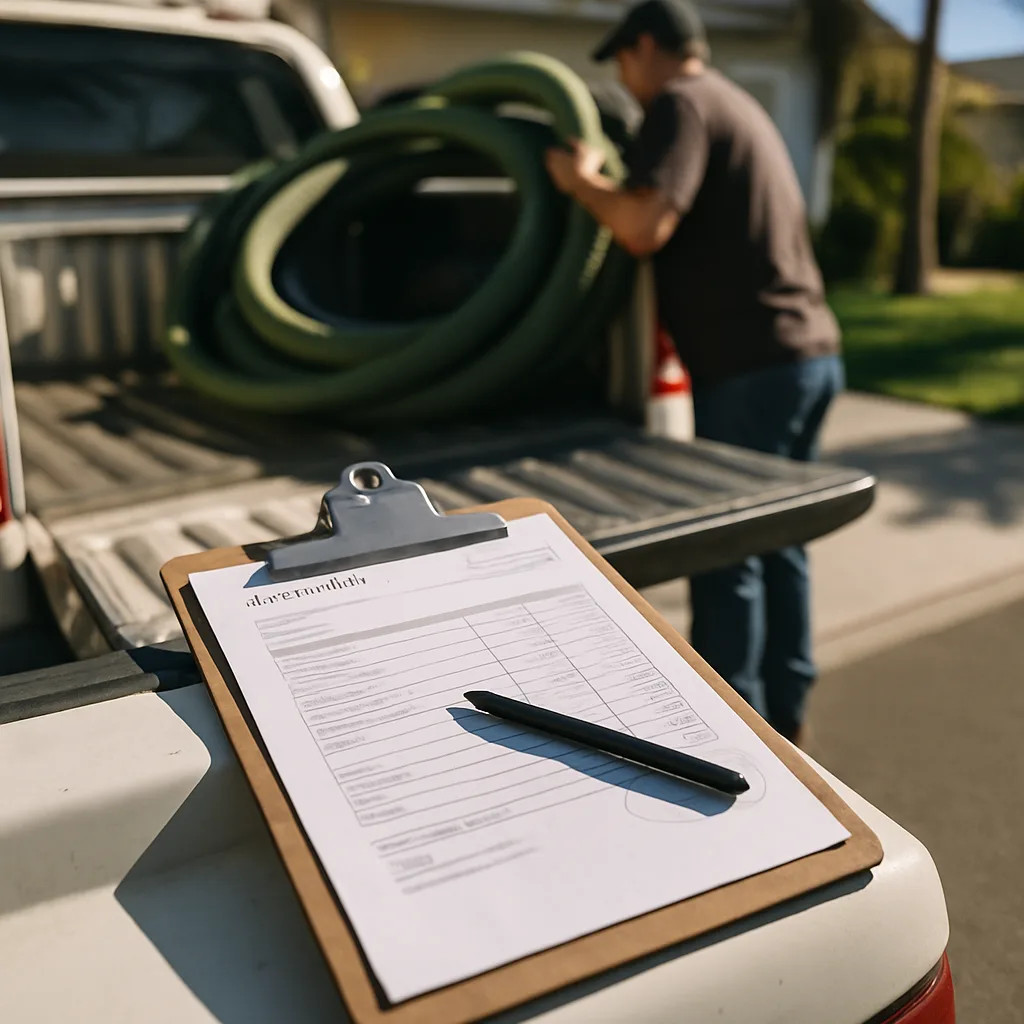
Service invoice on truck tailgate after septic tank cleaning job in West Palm Beach by Pulles Plumbing Septic LLC

How Septic Cleaning Costs Are Structured

Let's talk money. We know that's what you want to know. Septic tank cleaning isn't a flat fee everywhere you go, and there's a reason for that.

Tank size matters most. A 750-gallon tank behind a small West Palm Beach bungalow takes less time to pump than a 1,500-gallon tank under a bigger property with a large family. More gallons means more time and more cost.

Access plays a bigger role than most folks expect. If your tank lid is buried under a foot of soil, sod, or an old paver patio, someone has to dig it up. That's extra labor, plain and simple.

How full the tank is, and how much solid sludge has built up, changes the job too. A tank overdue for service, with years of solids packed in, takes longer to clean out than one on a normal 1-3 year schedule.

  • Tank size and total gallon capacity
  • How deep or buried the access lid is
  • How much solid waste has built up over time
  • Whether a full interior cleaning is needed, not just pumping
  • Distance and drive time out to your property

We'd ask any septic company these questions before hiring them. Is the estimate written and clear before the truck shows up? Does it include a full interior cleaning, or is that a separate charge later? Are there hidden fees for disposal or travel that show up on the invoice?

We give clear, fair, up-front pricing before we start. No hidden fees are tacked on after the job's done. You'll know what you're paying for and why.

Why Choose Us

Local Expertise

We are a local company that understands the specific needs of septic systems in Loxahatchee, FL.

Upfront Pricing

We believe in transparency. You’ll receive a clear and honest septic tank pumping cost before we begin any work, with no hidden fees.

Customer Satisfaction

Your satisfaction is our priority. We strive to provide a hassle-free experience and ensure your septic system is in optimal condition.

Common questions about Septic Tank Cleaning

Slow or gurgling drains, bad smells near the yard, and soggy patches over the drain field are the main warning signs. In West Palm Beach's sandy soil and high water table, these signs often show up fast once a tank gets close to full. If you notice more than one sign at the same time, it's worth having someone check your tank rather than waiting for a backup into your tub or toilet.

Pumping only removes the liquid and sludge, while cleaning also scrubs the tank walls to break loose the scum that clings to the sides and baffles. We see plenty of tanks pumped several times but never cleaned, with a scum crust an inch thick on the walls. That leftover buildup can travel to your drain field and clog the soil around it, which is a much bigger repair than a routine cleaning.

Most homes need septic tank pumping every one to three years, depending on tank size and household size. If your tank was pumped in the last year and you're not seeing slow drains or smells, you likely don't need service yet. West Palm Beach's sandy soil and heavy summer rain can make a healthy system seem waterlogged for a day or two, so a temporary smell after a storm isn't always a red flag.

We find and uncover the tank lids, check liquid and solid levels, then pump out the sludge and scum with a vacuum hose. After pumping, we scrub the interior walls, check the baffles for cracks or wear, and give you a written report of what we found. Most standard household visits take under an hour, though buried lids or years-old buildup can add extra time.

Standing water from heavy rain can carry odor without meaning your septic system has failed. West Palm Beach's high water table and sandy soil, especially near areas like Grassy Waters Preserve, can leave a healthy drain field looking waterlogged for a day or two after a storm. If the smell clears up once the ground dries, your tank is probably working fine.

Ask whether the price includes a pressure wash of the tank interior or if it's a pump-only service. That one question tells you a lot about the quality of work you're getting. A company that only pumps leaves scum on the walls, which can break free and clog your drain field. Always ask for a written report of what was found and done during your visit.

Fast & Affordable Septic Tank Cleaning in West Palm Beach

Contact us now for a Free Estimate on Plumbing Service in WPB.

© Copyright Pulles Plumbing Septic Inc - All Rights Reserved
State Of Florida Dept of Business & Prof. Reg. Lic# CFC056693
9086 Apache Blvd, West Palm Beach, FL. 33412